


Health & Legal Risks of Unsanitary Housing: How to Act Fast
Living in dirty homes, unsafe apartments, or neglected properties can create serious care issues, health problems, and legal problems for people, vulnerable patients, families, and tenants. Whether the issue involves severe dirt, sanitation failures, pests, structural hazards, or hoarding disorder, the impact on daily living conditions can become overwhelming.
This guide provides guidance and education on unsanitary living conditions. It explains the definition of unsafe and unlivable housing, the health conditions and hazards involved, the rights of tenants, the role of professionals, available community support, and the best solutions for restoring a safe and healthy home. If you are living in an unhealthy environment, it is important to seek help early.
Get an assessment & cleaning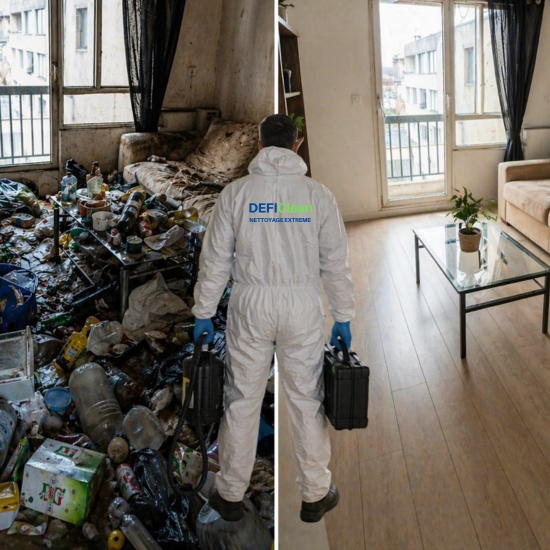
What this page helps you understand
- Definition of unsanitary and unlivable housing
- Main health hazards and dangerous conditions
- Legal rights of tenants in unsafe housing situations
- How to advocate for a healthier living environment
- Which community resources, support systems, and expert group services are available
- Effective strategies for cleaning and maintaining a healthy home over time
Support, rights, and practical action for unhealthy housing
Unsanitary housing is not only a cleaning issue. It can affect a single person, an entire family, elderly occupants, patients, or multiple tenants in the same building. In many cases, authorities, expert professionals, public services, healthcare workers, and local community support networks all focus on the same objective: reducing risk and protecting people.
If a home has become unsafe because of severe dirt, long-term neglect, blocked access, unsanitary waste, or hoarding, a specialist response may be necessary. Practical solutions can include deep cleaning, sanitation, disinfection, waste removal, repairs, documentation, legal support, and better maintenance over time.
What is “unsanitary housing”?
Unsanitary housing refers to a dwelling or building that presents obvious risks to the health and safety of occupants: severe damp, mold, pests, lack of water, poor ventilation, dangerous installations, exposure to lead, heavy accumulation of waste, or hoarding disorder.
These conditions may create daily care difficulties, cause public health concerns, and lead to administrative or legal action. In some cases, expert reports, photos, inspection data, and medical information are used as evidence to show how serious the problems have become.
Public health regulations govern the procedure for unsafe housing. Such situations may trigger administrative measures (city hall, prefect), obligations for the owner/landlord, and rights for the tenant (works, rehousing, suspended payments, or a ban on occupation depending on the case).
Main Health Risks
- Mold & damp: respiratory issues, allergies, asthma, stress, and long-term health problems.
- Pests (rats, cockroaches, bed bugs): infections, bites, contamination, and persistent dirty conditions.
- No water or poor ventilation: unsafe hygiene, microbial growth, and sanitation failures.
- Lead (old paint): poisoning risks, especially for children and vulnerable patients.
- Electrical / heating defects: burns, fire, carbon monoxide, and wider safety hazards.
- Extreme accumulation (Diogenes / hoarding): falls, blocked exits, contamination, mental strain.
These hazards affect people living inside the property and can also impact neighbors, shared spaces, the community, and public safety.
Legal Obligations & Responsibilities
Owner / Landlord
- Provide a decent and safe home
- Carry out essential repairs and sanitation works
- Treat mold, pests, leaks, structural and electrical defects
- Comply with administrative orders and deadlines
- Provide rehousing if occupation becomes impossible
Tenant / Occupants
- Report unsafe conditions and keep evidence (data, photos, letters, certificates)
- Notify the owner, city hall, or housing agency
- Contact the building manager if common areas are affected
- Seek expert help, legal support, and public guidance when needed
Administrative Procedure: City Hall, Prefect, Manager, Condominium
- Report the unsafe housing situation with evidence and inspection data.
- Inspection and technical assessment of the property’s condition.
- Order from the mayor or prefect: works, deadlines, danger notice, occupation ban, or rehousing.
- Follow-up and control after remediation, repairs, cleaning, or sanitation works.
Note: severe neglect can expose an owner to sanctions, while tenants may be entitled to protection, compensation, or rehousing depending on the case.
From Risk to Action: What to Do
| Risk / Sign | Immediate Action | Responsible |
|---|---|---|
| Damp walls, mold | Report, assess, ventilate, repair, clean, monitor over time | Owner / landlord |
| Pests (cockroaches, rats) | Professional sanitation, pest control, reinforced cleaning | Owner / Manager |
| Lack of water or dangerous installations | Urgent report to city hall, technical check, legal procedure | City hall / prefect |
| Lead or toxic exposure | Diagnostics, safety works, protect children and vulnerable people | Owner |
| Extreme accumulation / hoarding disorder | Specialist clearance, expert cleanup, disinfection, social support | Specialists + Owner |
Operational Solution: Cleaning & Disinfection (Unsanitary / Extreme)
Défi Clean handles unsanitary dwellings, very dirty homes, neglected properties, and severe hoarding situations. Our professional teams provide deep cleaning, clear-out, disinfection, sanitation treatments, odor removal, restoration, and practical solutions adapted to each case.
We work with discretion and method, whether the case affects one person, several tenants, a family, a vulnerable occupant, or a whole building. Our focus is always the same: restore safe living conditions and reduce health hazards.
Need a fast on-site diagnosis and a free quote? Contact us.
Practical Support for Tenants, Families, and Professionals
Unsafe housing often affects more than one person. It can impact patients, elderly people, children, relatives, neighbors, landlords, managers, and tenants who may not know where to begin. A strong support system combines legal action, expert cleaning, public intervention, and community help.
Know your legal rights
Tenants facing unsafe conditions may have the right to repairs, inspections, rehousing, or legal remedies against negligent owners.
Protect health and daily care
Unsanitary housing can trigger serious care issues, anxiety, infections, respiratory problems, and worsening health conditions.
Use specialist solutions
In severe dirty homes, chronic neglect, or heavy hoarding, expert professionals can provide realistic, safe, and efficient solutions.
Who can help in an unsanitary housing situation?
Public and community resources
- City hall and local housing departments
- Public health services
- Social workers and healthcare professionals
- Tenant associations and community support group services
- Expert sanitation and cleanup companies
Why early action matters
- Reduces health hazards before they become worse
- Protects people living in the property
- Prevents long-term legal problems
- Improves quality of living over time
- Creates a clearer path toward recovery and safer housing
FAQ — Health & Legal Risks
What are the main health dangers in unsanitary housing?
How can I tell if my home is unsanitary?
What steps should I take to report unsanitary housing?
Can hoarding disorder create legal and health risks?
Where can I find help and a reliable support system?
What resources are available for hoarding cleanup or sanitation services?
Helpful Resources, Expert Support & Cleaning Solutions
 Main Guide
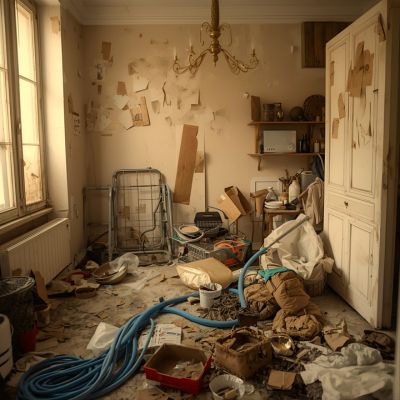
Unsanitary Home Cleaning
Deep cleaning of unsanitary homes and extremely dirty apartments.
Read the article →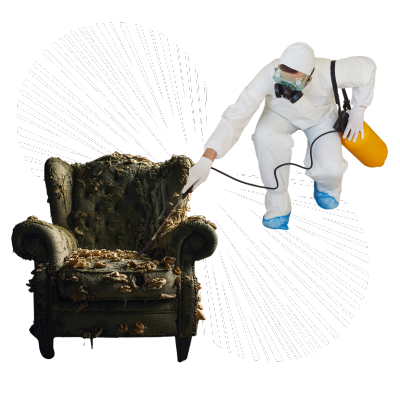 Understanding
Clear-out & Disinfection After Unsanitary Conditions
All steps of a full clean: disinfection, pest control, deodorization, and sanitation.
Read the article → Key Info
Aids & Subsidies for Unsanitary Cleaning
Overview of support schemes from public bodies, city halls, insurers, and related services.
Read the article →Need expert help for unsafe or unsanitary housing?
If you are dealing with severe dirt, hoarding, sanitation hazards, or unhealthy housing conditions, Défi Clean can help with professional assessment, expert cleaning, and practical recovery solutions.
Request help nowRelated resources
The service
Read next
- Unsanitary housing: how to report it to the town hall →
- FAQ – Unsanitary home cleaning: steps, products, safety & quotes →
- Aid & subsidies for unsanitary cleaning →
- Clear-out and disinfection after unsanitary conditions →
- Who should you contact in case of unsanitary housing ? →
- Signs of an unsanitary home →
Other situations
Request a free quote