Definition of Diogenes syndrome: understanding this behavioural disorder
Diogenes syndrome combines hoarding/accumulation, neglect of hygiene and social withdrawal. Here are the main signs, the definition, causes, diagnosis and risks — with practical advice to act safely.
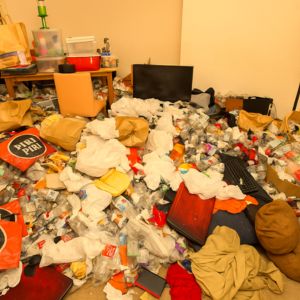
Diogenes syndrome is a behavioural disorder characterised by compulsive accumulation of items, neglect of personal and domestic hygiene — sometimes to the point of an unsanitary home — and marked social withdrawal. There is no single definition across all classifications, but the combination of these signs allows reliable clinical identification.
Concise definition
Diogenes syndrome combines: (1) syllogomania (keeping/accumulating useful or useless objects), (2) self‑neglect (extreme neglect of personal and domestic hygiene) and (3) isolation / refusal of help. The situation builds up over time, spreads throughout the home (house/flat) and impacts health and safety.
Do not confuse with simple “disorganisation”: in Diogenes, accumulation is massive, long‑standing and invasive.
Key features
Syllogomania (accumulation)
Compulsive keeping of objects, papers, packaging, waste… potentially filling entire rooms.
Self‑neglect (hygiene)
Abandon of personal and household hygiene, lack of maintenance, very poor cleanliness.
Isolation / refusal of help
Marked social withdrawal, mistrust and rejection of outside interventions, even benevolent ones.
Causes & contributing factors
- Life events: bereavement, separation, job loss, trauma (death, shock).
- Psychological vulnerability: mood disorders, anxiety, cognitive disorders, addictions.
- Isolation: prolonged solitude, broken family or social ties.
Each person is unique: care should be individualised and respectful of dignity.
Diagnosis: what to look for
Formal diagnosis is made by health professionals. Common warning signs:
- Massive and long‑standing accumulation of objects/waste (sometimes blocking doors and corridors).
- Persistent odours, presence of insects/rodents, manifest unsanitary risk.
- Neglect of self, social withdrawal, refusal of help, difficulties with personal hygiene.
Important — Family members should not intervene without protection. In case of danger, contact doctors, social/municipal services and a specialised company.
Risks and consequences
- Health: bacteria, viruses, mould, pests, intoxications.
- Material: fire, falls/crushing, structural damage to the home.
- Social: neighbourhood conflicts, legal issues, worsened isolation.
When to act and how to help?
Act as soon as the signs threaten health or safety: blocked exits, unsanitary environment, odours, pests. The recommended approach: listening, non‑judgement, securing the site, then a step‑by‑step intervention.
- Initial assessment at the home, safety protocol, PPE.
- Decluttering, removal and waste management through approved channels.
- Deep cleaning, disinfection, decontamination, deodorisation.
- Medical‑psychological and social support, follow‑up.
FAQ — Definition, signs, diagnosis
Is Diogenes syndrome a disease?
It is better described as a multifactorial syndrome/disorder. It may co‑occur with other psychological or cognitive conditions. Diagnosis relies on the clinical assessment of a patient.
Which symptoms and signs are red flags?
Persistent accumulation, neglect of personal hygiene, social withdrawal, denial, unsanitary home. Affected individuals often struggle with organisation and decision‑making.
What interventions are suitable?
Coordinated interventions: medical, social and technical (decluttering, sanitary treatments, pest control). The goal is to reduce risk and support daily‑life skills.
Do personality or childhood play a role?
Personal history (e.g. deprivation, childhood trauma) can increase vulnerability, but each patient is unique. Avoid judgement and offer personalised treatments.
Is there a single treatment for Diogenes?
No. Usually a combination of psychological support, social assistance, securing the living place, and in‑home actions (decluttering, physical treatment of the environment).
Défi Clean operates across France: assessment, removal, disinfection, restoration.
Essential Resources
 Main Guide
Diogenes Cleaning: Complete, Fast & Humane Intervention
Cleaning after Diogenes syndrome requires professional expertise. Défi Clean provides clearance, disinfection, decontamination and full restoration of unsanitary homes across France — with discretion and respect for people.
Read the article → Understanding
Causes and Origins of Diogenes Syndrome
A multifactorial disorder — psychology, isolation, health issues, and environment. How does it develop, and what are the early signs?
Read the article →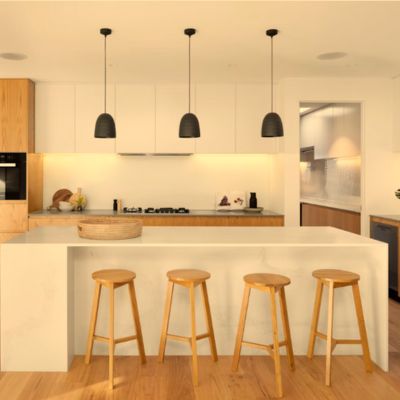 ⚠️ Important
Health & Psychological Risks of Diogenes Syndrome
Diogenes syndrome poses serious health and psychological risks. Learn about the dangers for hygiene, safety and mental well-being, and why a fast, structured intervention is essential.
Read the article →Annex — input/display help & technical keywords
This block groups technical terms useful for writing, using the keyboard, and for special symbols/characters in a document (web / desktop / mobile), as well as keywords linked to the guide to facilitate answers and searches. (It also improves accessibility for people looking for “how to type such sign / such key in Word, Windows, etc.”)
keyboard, signs, page, characters, answer, key, guide, sign, letters, issue, word, desktop, logo, answers, symbols, windows, drivers, download, space, operating, alt, star, mobile, none, other, anchor, display, arabic, device, press, site, usage, high, keyboard, signs, characters, answer, key, guide, sign, letters, issue, word, desktop, logo, answers, symbols, windows, drivers, download, page, spaces, operating, alt, star, mobile, symbol, drawing, character, equals, font, write, document, solution, similar, discussions, block, width, media, other, anchor, line, device, web, internet, site, use, utilisation, system, setup, computer, high, experience, keyboard, keyboard, signs, signs, pages, pages, pages, pages, pages, characters, characters, answer, key, key, display, display, desktoplogo, desktoplogo, download, download, spaces, spaces, guide.
Useful shortcuts — PC: Alt + numeric code, Alt+0169 = © • Mac: ⌥ Option + letter (e.g. ⌥+e then e = é).
Tip: if a symbol doesn’t show, check the font and, if needed, download the drivers / language packs.