


Hoarding Disorder & Diogenes Syndrome: Causes, Symptoms & Treatment
Hoarding disorder is a mental health condition where individuals accumulate excessive items, leading to dangerous clutter and unsafe living conditions.
This guide explains the causes, symptoms, and treatment options, while helping families and individuals find the right professional support.
Get help & assessment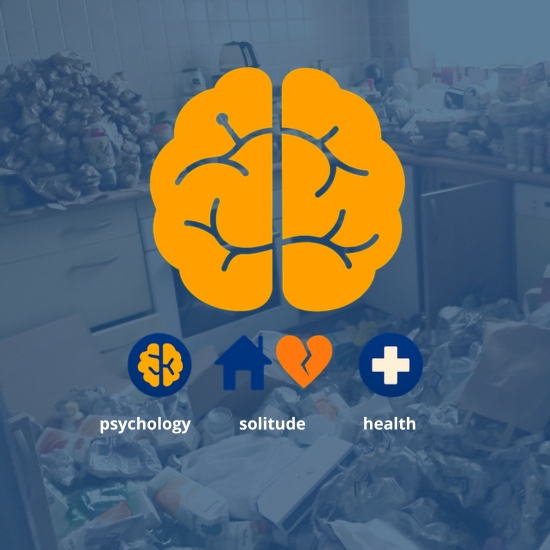
What is Hoarding Disorder?
Hoarding disorder is a behavioral and cognitive condition where people struggle to discard possessions, even items with little or no value.
Over time, this leads to extreme clutter, unsanitary environments, and serious health risks. It is often associated with OCD, anxiety, and other mental disorders.
In severe cases, it evolves into Diogenes syndrome, characterized by self-neglect and extreme living conditions.
Symptoms and Warning Signs
- Difficulty throwing away items
- Excessive clutter in living spaces
- Strong attachment to possessions
- Compulsive saving behaviors
- Unsanitary living conditions
- Isolation and avoidance of visitors
- Emotional distress when discarding objects
Essential Resources
 Main Guide
Diogenes Cleaning: Complete, Fast & Humane Intervention
Cleaning after Diogenes syndrome requires professional expertise. Défi Clean handles clearance, disinfection, decontamination and restoration of unsanitary homes across France, with discretion and respect for people.
Read the article → Understanding
Definition & Explanation of Diogenes Syndrome
What is Diogenes syndrome? Symptoms, warning signs, and its impact on health and housing.
Read the article → ⚠️ Key Info
Impacts of Diogenes Syndrome on Daily Life & Housing
Health, safety, neighbourhood and dignity: understand the real consequences to better act and support the person.
Read the article →Main Causes of Hoarding Disorder
- Psychological factors: anxiety, depression, trauma
- Neurological issues: dementia, brain injury
- Social isolation and loneliness
- Cognitive difficulties: decision-making problems
Health and Safety Risks
- Mold and bacteria
- Pests (rats, insects)
- Respiratory diseases
- Fire hazards and blocked exits
- Injuries and falls
These conditions affect not only individuals but also neighbors and the surrounding environment.
How is Hoarding Disorder Diagnosed?
Diagnosis is based on behavioral evaluation by mental health professionals. It follows criteria from psychiatric guidelines such as DSM.
- Clinical interviews
- Assessment of living conditions
- Evaluation of emotional attachment to items
Treatment and Support Options
- Cognitive Behavioral Therapy (CBT)
- Medication for anxiety or OCD
- Support groups
- Professional cleaning and decluttering services
Early intervention significantly improves recovery outcomes.
How to Help a Loved One
- Stay calm and non-judgmental
- Encourage seeking professional help
- Work with specialists and support systems
- Focus on safety before cleaning
Professional Hoarding Cleanup Services
Défi Clean provides full-service intervention:
- Decluttering and waste removal
- Deep cleaning and disinfection
- Odor removal and sanitation
- Complete restoration of living spaces
FAQ — Hoarding Disorder
What are the signs of hoarding disorder?
Clutter, inability to discard items, emotional attachment, and unsafe living conditions.
Is hoarding disorder treatable?
Yes, through therapy, medication, and professional support.
When should I seek help?
As soon as living conditions become unsafe or impact health.
Can cleaning alone solve the problem?
No, long-term success requires psychological support and behavioral change.
Related resources
The service
Read next
- Difference Between Unsanitary Housing and Hoarding Disorder →
- How to Get a Reliable Quote & Choose a Hoarding Cleaning Company →
- Diogenes Cleaning Procedure: Method, Safety & Results →
- Hoarding Cleaning Costs & Prices in France →
- How Diogenes syndrome affects daily life and housing →
- Diogenes syndrome cleaning: risks, procedure & support →
- FAQ — Diogenes Cleaning →
- Definition of Diogenes syndrome: understanding this behavioural disorder →
Other situations
Request a free quote