
Causes and Origins of Diogenes Syndrome
Why do some people develop compulsive hoarding, neglect hygiene, and live in an unsanitary home? This page explains the psychological, social, medical, and environmental factors behind this complex disorder.
Request a free diagnosisPsychological Causes
Depression, anxiety disorders, schizophrenia, and OCD focused on hoarding are frequently involved. Dementia (such as Alzheimer’s) affects executive functions, judgment, and planning. Trauma, bereavement, and post‑traumatic stress can also lead to withdrawal and attachment to objects.
Social and Environmental Factors
Loneliness, social isolation, and stigma are key contributors. Poor living conditions (odours, pests, bad air quality) reinforce the cycle. Fear of losing items often prevents cleaning or disposal.
Medical and Neurological Factors
Ageing, stroke, head trauma, or chronic illness can impair daily functioning and self‑care. Geriatric psychiatry and neuropsychological assessments help distinguish between dementia and depression and coordinate care.
Behavioural Profile and Logic of Accumulation
Hoarding may create a perceived sense of security or control. People affected often reject help, isolate themselves, and maintain a “personal logic” of organisation invisible to outsiders.
Consequences and Risks
Health risks: bacterial growth, mould, parasites, malnutrition. Safety risks: blocked exits, falls, fire hazards. Social impact: neighbour complaints and emotional suffering. A coordinated plan combining decluttering, disinfection, and psychological support is essential.
FAQ — Causes and Origins
Is Diogenes syndrome a mental illness?
It is a multifactorial disorder that can involve psychiatric, neurological, and cognitive components. Clinical and neuropsychological evaluation confirm the diagnosis.
What usually triggers this syndrome?
Isolation, bereavement, trauma, poverty, or neurological conditions. Symptoms develop gradually with increasing clutter and hygiene decline.
How to intervene respectfully?
Listen, ensure safety, avoid confrontation. A step‑by‑step intervention (social assistance, decluttering, cleaning, disinfection) with dignity helps reduce resistance.
Who coordinates care?
The GP together with geriatric psychiatry, social workers, and local networks. In some cases, legal protection (guardianship or social mandate) is needed.
Get Help
Défi Clean operates nationwide: assessment, decluttering, removal, disinfection, deodorisation, and full restoration — confidential and humane support.
Call 01 76 50 55 57Essential Resources
 Main Guide
Diogenes Cleaning: Complete, Fast & Humane Intervention
Cleaning after Diogenes syndrome requires professional expertise. Défi Clean handles clearance, disinfection, decontamination and restoration of unsanitary homes across France, with discretion and respect for people.
Read the article →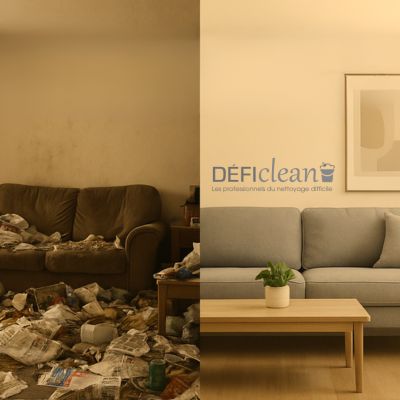 Understanding
Definition & Explanation of Diogenes Syndrome
What is Diogenes syndrome? Symptoms, warning signs, and its impact on health and housing.
Read the article → ⚠️ Key Info
Impacts of Diogenes Syndrome on Daily Life & Housing
Health, safety, neighbourhood and dignity: understand the real consequences to better act and support the person.
Read the article →