


Prevention
How to Prevent Reinfestation?
Reinfestation can happen quickly if prevention stops too soon. The good news? With the right prevention measures, you can protect your environment long term and avoid dealing with the same infestation again.
This guide focuses first on pigeon control and pigeons (often the root cause), then covers bed bugs, insects, and other pests. We explain how treatment, disinfection, and monitoring must continue after intervention.
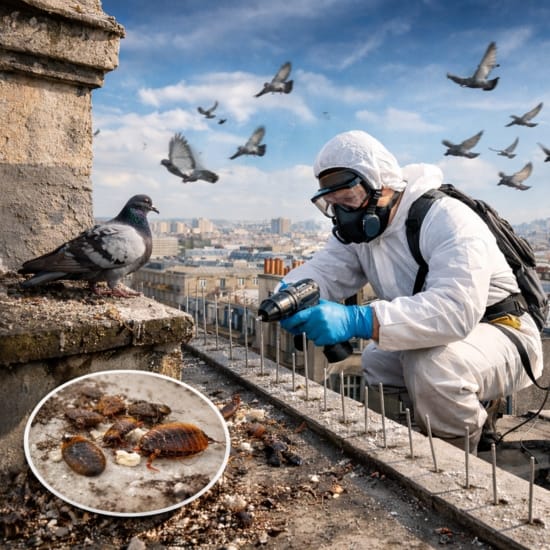
Available 7 days a week depending on the urgency. Unmarked trucks. Clearance, disinfection, and restoration.
Pigeon Control: The First Line of Defense
Without proper pigeon control, pigeons will return to the same zones and recreate the same risk. Their presence affects health, hygiene, and overall environment.
- Identify high-risk zones: balconies, ledges, roof edges.
- Install professional pigeon control systems (nets, spikes, barriers).
- Maintain strict hygiene and surface cleaning.
- Eliminate food sources and accessible waste.
When in doubt, make an appeal to professionals. A correct intervention prevents future reinfestation.
After Treatment: Prevention Is Essential
Whether after disinfection, pest treatment, or rodent control, prevention must continue. Many pests restart their cycle within weeks if monitoring stops.
Immediate Actions
- Seal cracks and hidden entry points.
- Control humidity levels.
- Inspect surfaces and storage areas.
- Remove accessible food sources.
Long-Term Monitoring
- Regular monitoring and inspections.
- Check furniture and hidden spaces.
- Maintain clean and organized living areas.
- Schedule follow-up professional evaluations if needed.
Bed Bugs and Insects: Preventing a New Infestation
Bed bugs are known for restarting an infestation if even one cluster of eggs survives the treatment. Vigilance is critical.
- Inspect mattresses, seams, and nearby furniture.
- Wash and isolate clothing after treatment.
- Monitor for signs of renewed presence.
- Act quickly at the first sign of risk.
Early action prevents a full reinfestation cycle.
When Should You Call Professionals?
If you detect repeated activity, multiple affected zones, or signs of a new infestation, contact professionals. They provide adapted solutions and durable treatments.
A clear inspection and intervention plan reduces long-term risks.
FAQ – Preventing Reinfestation
How do I know if I have reinfestation?
Watch for renewed pest activity, new droppings, visible insects, damage, or the return of pigeons in the same zones. Regular monitoring is essential.
What are the signs of a bed bug infestation?
Bite marks, small stains on bedding, eggs, or insect presence in mattress seams and nearby furniture.
How long after treatment should I evaluate effectiveness?
Most treatments require monitoring over several weeks, depending on the pest life cycle.
Why is pigeon control important for prevention?
Pigeon control reduces environmental contamination, limits health risks, and prevents new pest attraction.
What simple daily measures can prevent reinfestation?
Maintain hygiene, control humidity, seal cracks, monitor high-risk zones, and act quickly at the first warning signs.
To secure long-term results
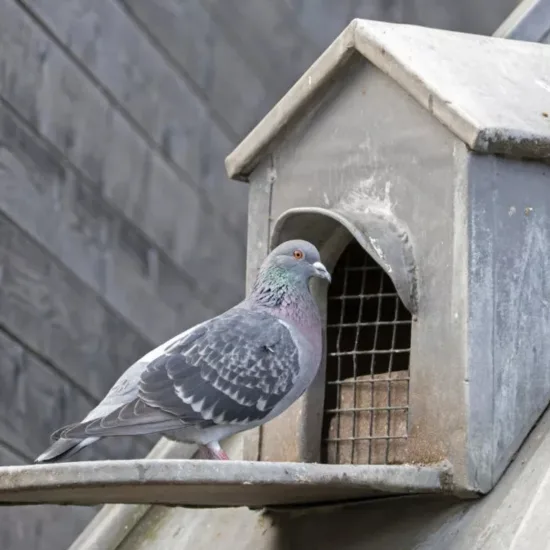 Main guide
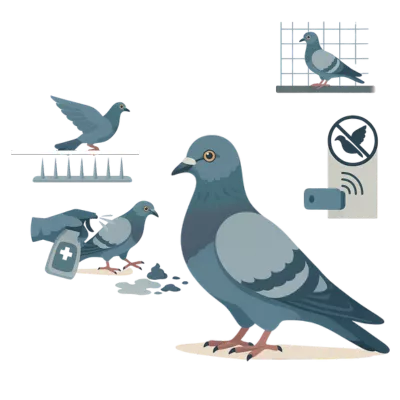 Techniques
Choose the right devices
Nets, spikes, solutions: effectiveness depends on the area.
Read the article →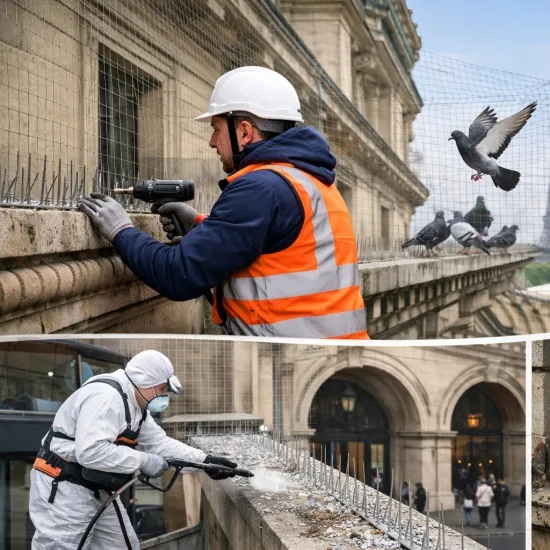 Buildings
Related resources
The service
Read next
- FAQ – Professional Pigeon Control →
- Pigeon droppings cleaning on roof and balcony →
- Bird control for buildings and public properties →
- Disinfection after pigeon proofing: steps and protocols →
- Modern Pigeon Control Techniques (Nets, Spikes, Ultrasonic Systems) →
- Why bird control is essential for public health →
Other situations
Request a free quote