


Unsanitary Housing Town Hall: how to report unsafe housing and protect your rights
Unsafe housing can affect health, safety, and everyday life. Mold, broken systems, water damage, fire risk, poor maintenance, and structural problems can turn a home into an unhealthy place to live.
This page explains the main signs of unsanitary housing, the health risks involved, the steps tenants and occupants can take, and how to contact the right town hall, housing department, public health service, or enforcement authority.
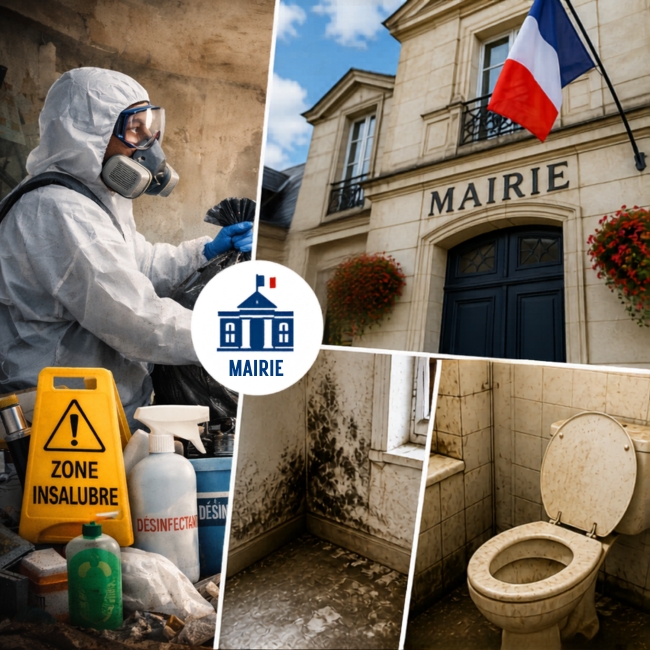
What is unsanitary housing?
Unsanitary housing refers to a property, rental home, or apartment whose condition may harm the health, safety, or dignity of the people living there.
This may involve mold, water damage, structural instability, broken windows, unsafe electrical systems, poor ventilation, pest activity, damaged equipment, unsafe stairs, poor sanitation, or fire-related risks.
Common signs of an unhealthy home
- Visible mold on walls, ceilings, or windows
- Water leaks, damp areas, or repeated moisture problems
- Broken fixtures, damaged floors, or unsafe stairs
- Poor heating, poor ventilation, or unsafe air quality
- Fire hazards, exposed wiring, or unsafe equipment
- Signs of pests or unhealthy waste conditions
- Structural cracks, instability, or parts of the building in poor condition
One issue alone may already justify action. Several issues together may point to a serious housing safety problem.
Health risks linked to unhealthy housing
Unsafe housing can affect both physical and mental well-being. Children, seniors, tenants with health conditions, and vulnerable occupants are often the most affected.
- Breathing difficulties and mold-related symptoms
- Allergic reactions and persistent irritation
- Infections linked to poor hygiene or unsafe water
- Stress, anxiety, and loss of well-being
- Falls, injuries, or fire-related risks
- Long-term worsening of existing health problems
What should you do if you discover unsafe living conditions?
1. Record the issue clearly
Take photos, videos, and written notes. Record dates, visible damage, mold, broken equipment, water problems, and any risks affecting safety or health.
2. Contact the landlord or property owner
Send a written request describing the conditions and asking for repairs. Keep copies of your letters, emails, messages, and any replies.
3. Report the conditions officially
Contact the town hall, housing department, city inspection service, or relevant local authority. In some cases, public health, fire safety, or code enforcement services may also need to be involved.
4. Follow the procedure
Keep following up. Respond to requests, attend meetings if necessary, and continue documenting changes or worsening conditions.
Who can help tenants and occupants?
If you are dealing with an unhealthy or unsafe home, you do not have to manage the situation alone.
- Town hall or local city services
- Housing department or property standards office
- Public health services
- Fire safety or emergency services in urgent cases
- Tenant support groups and renters’ organizations
- Community centers and neighborhood support services
- Legal aid or tenant rights assistance
Tenant rights and landlord responsibilities
Tenants have the right to live in housing that is reasonably safe and healthy. Landlords and property owners generally have a responsibility to address dangerous or unhealthy conditions.
This can include repairs, maintenance, water-related issues, structural safety, fire hazards, and the correction of housing code violations.
- Request repairs in writing
- Keep evidence of unsafe conditions
- Report repeated violations
- Seek support if the property owner does not act
- Ask for help from enforcement or tenant services when needed
Code violations and enforcement
Unsafe housing conditions may involve violations linked to structural issues, sanitation, heating, ventilation, water damage, fire safety, or unhealthy living conditions.
Once a report is made, inspections may be requested, and enforcement procedures may begin, depending on the seriousness of the property condition and local housing rules.
Practical tips before making a report
- Write down the full address and affected rooms
- Prepare photos and a short timeline of the issue
- Keep copies of messages sent to the landlord
- List all health and safety concerns clearly
- Note if children, elderly people, or vulnerable occupants are affected
- Request language services if needed
A clear and complete report often helps housing services respond more efficiently.
FAQ – Unsanitary Housing Town Hall
What are the health impacts of living in unhealthy housing?
Unhealthy housing can cause breathing problems, mold-related symptoms, stress, infections, accident risks, unsafe water exposure, and worsening health conditions.
What should I do if I discover unsafe living conditions?
Document the issue, contact the landlord in writing, and report the situation to the town hall, housing department, or relevant enforcement service.
How can tenants enforce their rights regarding housing safety?
Tenants can keep evidence, request repairs, file official reports, contact tenant rights organizations, and seek legal or community support when needed.
What are common signs of an unsanitary home?
Common signs include mold, water damage, structural problems, poor ventilation, unsafe wiring, pest activity, and unhealthy living conditions.
Who should I contact first?
In many situations, the first step is to contact the town hall, housing department, or city inspection service, then follow the procedure according to the issue.
Can renters get help if the landlord does not act?
Yes. Renters may be able to contact tenant support groups, legal aid, public health services, community centers, or housing enforcement departments.
Understand the issue, know your rights, and take action
Living in unhealthy housing can feel overwhelming. This guide is here to help you understand the problem, identify the right services, and take practical steps to protect your safety and well-being.
The more informed you are, the easier it becomes to report unsafe conditions, seek support, and push for safer living conditions.