

Crime scene cleaning
The steps of crime scene cleaning
Cleaning a crime scene or after a death is not about “making it look clean”. It is a strict procedure with real sanitary risks, regulated waste handling, biological fluids, sometimes blood, organic residues and even chemical hazards — with maximum safety requirements.
This article explains the key steps of a professional intervention, best practices, and the importance of contacting a specialized company in France. For a complete overview of the service and the field, see the pillar page: Crime scene cleaning.
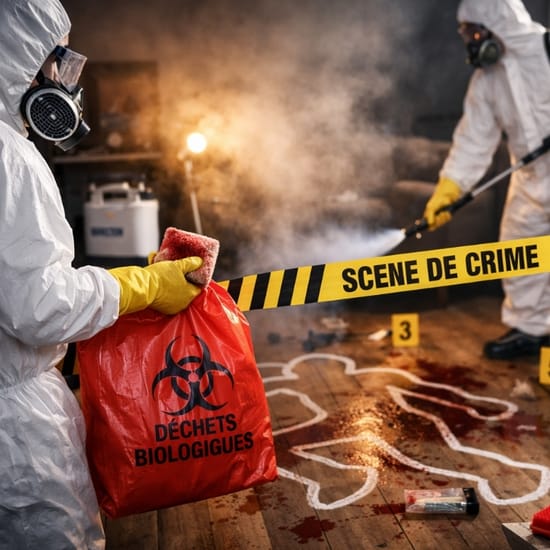
Emergency intervention possible • Discreet vehicles • Removal, disinfection, restoration.
Table of contents
Why crime scene cleaning is so regulated
After a crime or a death, the scene may contain biological agents and high-risk contamination: blood, fluids, tissue, persistent odors, organic residues or chemical products. These elements represent a real risk for safety and health, plus a strong psychological dimension linked to this kind of work.
In a house or apartment, locations can be fragile: porous materials, cracks, textiles, furniture… That is why specific techniques and strict protocols are used, alongside rigorous waste management.
The steps of crime scene cleaning
-
1) Securing the zone and preparation
The first step is to secure the zone and control access to the place. Responders arrive fully equipped (PPE), identify hazards, organize circulation, and protect non-contaminated areas.
-
2) Assessment and intervention plan
Before the cleaning starts, the company assesses the scene: type of waste, presence of blood and fluids, biological / chemical residues, and how deeply odors have penetrated materials. A plan is then defined (method, products, time, tools, disposal).
-
3) Removal, sorting and waste management
Contaminated materials are removed according to standards: textiles, furniture, baseboards, flooring, porous elements. The waste is packaged, labeled and secured for compliant disposal.
-
4) Technical cleaning and decontamination
This is the technical part: scraping, extraction, washing, bio-cleaning — depending on materials. The goal is to eliminate all traces of contamination, reduce risk, and restore a healthy place.
-
5) Disinfection and specific treatments
Disinfection is central: virucidal, bactericidal, fungicidal depending on the case. The products used are selected to neutralize biological agents and meet sanitary requirements. Air and surface treatments can be added.
-
6) Odor removal
Odors are treated with dedicated protocols (odor neutralization, air treatment, deep cleaning of materials). This is often a success indicator: if the odor remains, a source has not been eliminated.
-
7) Final control and handover
Compliance checks: cleanliness, no visible traces, safety of the place, waste handling, and respect of protocols. The area is returned usable, and a report can be provided if needed.
Depending on the situation, a scene can also involve a syndrome context (for example, Diogenes-type accumulation), which complicates waste management and increases disinfection requirements.
Regulations, waste handling and disposal: what you should know
After a crime or a death, some waste can be considered high-risk (biological, potentially infectious, etc.). A specialized company knows the disposal routes, appropriate packaging and applicable standards.
- Waste management: sorting, packaging, traceability.
- Procedure: protocols and safety rules.
- Disposal: dedicated channels depending on the nature (organic, chemical, etc.).
Risks: why DIY cleaning is dangerous
DIY cleaning exposes you to risks: contamination, contact with blood and fluids, aerosols, incorrect use of products, and the absence of proper protocols. Without PPE, safety is not guaranteed.
On the psychological side, cleaning a place linked to a death can be extremely difficult. Professionals are trained for this type of work and handle the scene with respect.
Quote and handling: company, professionals, responders
For a fast intervention, contact a specialized company. A quote is typically based on an assessment: surface area, contamination level, type of waste, odor treatment, access constraints, etc.
- Urgent interventions may be possible depending on the situation.
- Responders are equipped and trained, following strict protocols.
- Goal: eliminate risks, secure the place, and restore a safe environment.
Need quick advice? See the pillar page: Crime scene cleaning or request a quote.
FAQ – Crime scene cleaning
What procedures should be followed after a crime?
Secure the area, wait for authorities, then bring in professionals for cleaning, disinfection, waste management and compliant disposal according to standards.
Who are the specialized actors in this field?
Specialized companies with trained responders, properly equipped, used to sensitive scenes and to sanitary and psychological risks.
What are the risks of DIY cleaning?
Exposure to biological and chemical agents, contact with blood and fluids, poor disinfection, incorrect waste handling, lack of protocols and standards, and strong psychological impact.
Need an intervention?
Défi Clean operates across France for cleaning after a crime or death, with a complete procedure: safety, waste handling, disinfection and compliant disposal.
Essential resources
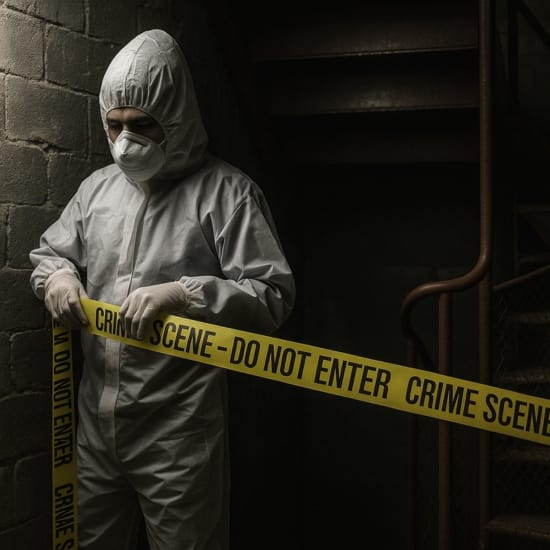 Main guide
Crime scene cleaning
Complete guide: protocols, disinfection, biological decontamination.
Read the article →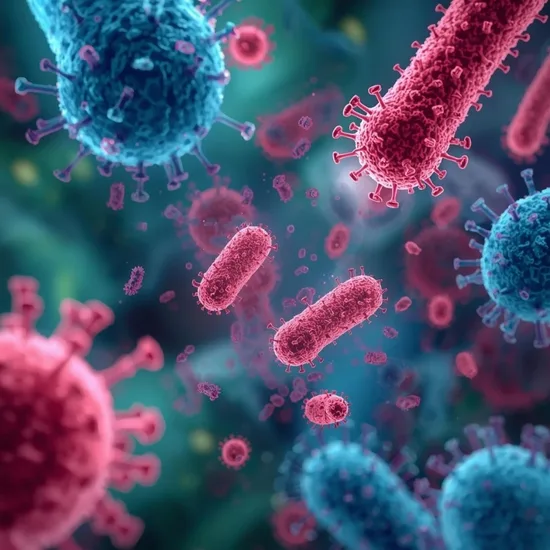 Good to know
Certified disinfection equipment
PPE, biocides, DASRI waste, odor neutralization.
Read the article →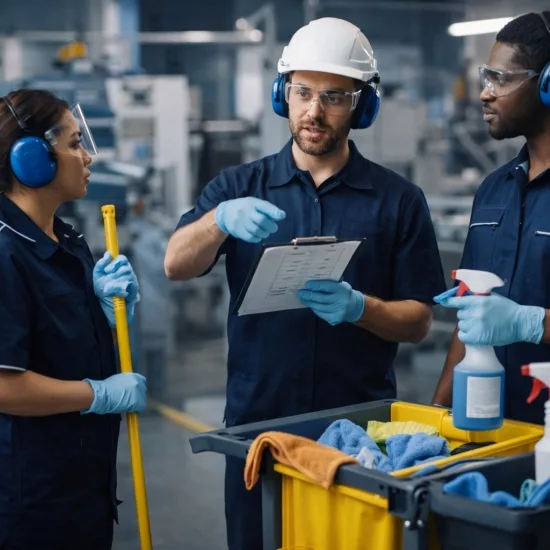 Professional focus
Related resources
The service
Read next
- Suicide Cleanup: Biological Safety Protocols →
- FAQ – Crime Scene Cleaning →
- Crime scene vs accidental death →
Other situations
- Suicide cleanup services →
- Death cleanup services →
- Guide: cleaning up after a death →
- Unsanitary house cleaning →
- Our work: before & after →